Sleep affects nearly everything: mood, memory, immune function, weight, blood pressure, and accident risk. Yet many American adults regularly fall short. Health agencies, including the Centers for Disease Control and Prevention, generally recommend that adults get at least seven hours of sleep per night. If you struggle with sleep, you are not alone, and there are well-studied habits that can help. This guide explains “sleep hygiene,” the set of routines and environmental choices that support better rest.
This article is general information and not medical advice. If sleep problems persist or you have symptoms such as loud snoring or daytime sleepiness, talk to a healthcare professional.
Why sleep matters
During sleep, the body repairs tissue, consolidates memories, and regulates hormones that control hunger and stress. Short or poor-quality sleep over time is associated with higher risks of:
- High blood pressure and heart disease.
- Type 2 diabetes and weight gain.
- Depression and anxiety.
- Weakened immunity.
- Trouble concentrating and a higher risk of accidents, including drowsy driving.
Sleep needs vary between people, but most adults function best with seven to nine hours. Teens and children need more.
How sleep works
Two main systems regulate sleep:
- Sleep drive (sleep pressure). The longer you are awake, the more the urge to sleep builds. Caffeine temporarily blocks the signals of that pressure.
- Circadian rhythm. Your internal 24-hour clock responds strongly to light and tells your body when to feel alert and when to wind down.
Most sleep hygiene advice works by strengthening these two systems: building sleep pressure during the day and keeping your clock steady.
Build a consistent schedule
Keep regular sleep and wake times
Go to bed and get up at roughly the same time every day, including weekends. A consistent wake time is especially powerful because it anchors your body clock. Large shifts between weekdays and weekends, sometimes called social jet lag, can leave you groggy.
Do not “make up” with long sleep-ins
Occasional extra rest is fine, but regularly sleeping much later can make it harder to fall asleep the next night.
Be careful with naps
A short nap of 20 to 30 minutes earlier in the day can refresh you. Long or late-day naps can reduce sleep drive at night, which matters if you have trouble sleeping.
Use light to your advantage
- Get bright light in the morning. Going outside soon after waking helps set your circadian rhythm.
- Dim the lights in the evening. Lower, warmer lighting signals that night is approaching.
- Limit screens before bed. Phones, tablets, and TVs emit light that may delay your body clock, and engaging content can keep your mind active. Try to stop screens 30 to 60 minutes before bedtime, or use night settings and keep the content calm.
Create a good sleep environment
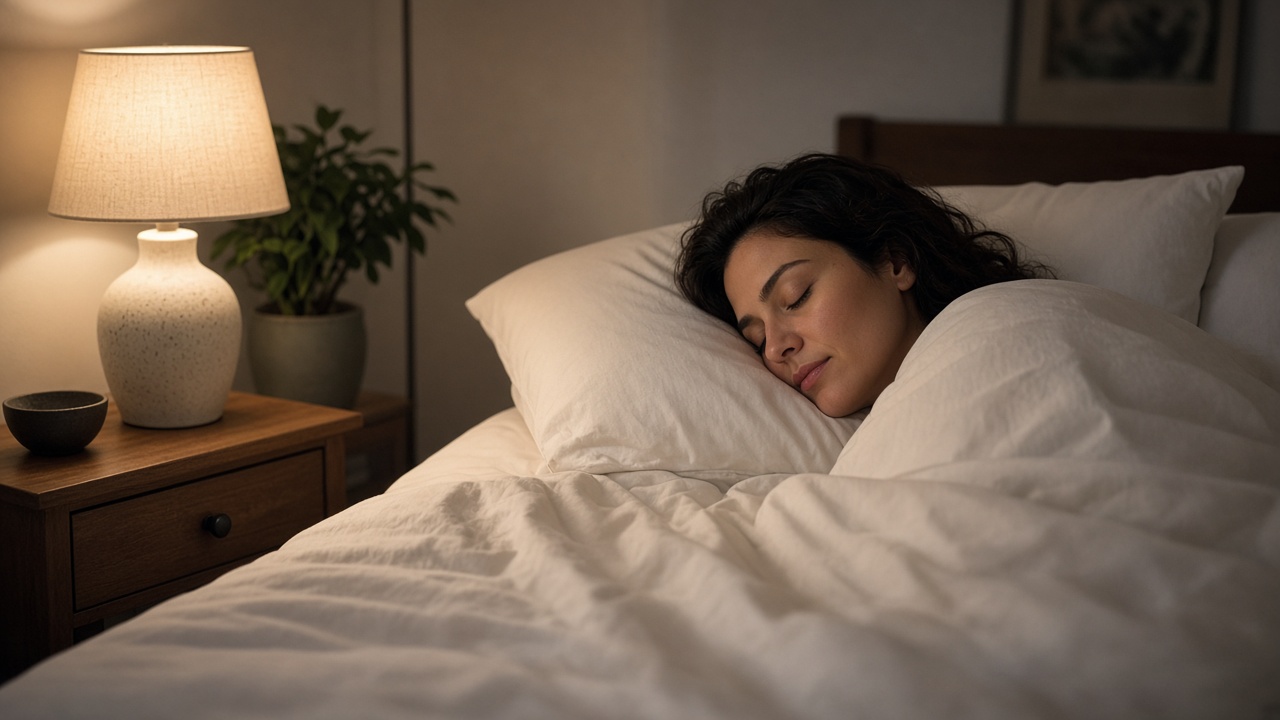
- Keep the room cool. Many people sleep best in a cooler bedroom, often around the mid-60s Fahrenheit, though comfort varies.
- Make it dark. Use blackout curtains or an eye mask.
- Reduce noise. Earplugs or a steady white noise machine can help, especially in noisy areas.
- Invest in a comfortable mattress and pillows. Replace them when they no longer support you.
- Keep it for sleep. Try to avoid working, eating, or watching stimulating shows in bed so your brain links the bed with rest.
Watch what you consume
Caffeine
Caffeine can stay in your system for hours. If you are sensitive or have trouble sleeping, avoid it in the afternoon and evening. This includes coffee, tea, energy drinks, soda, and some medications.
Alcohol
Alcohol may make you drowsy at first, but it fragments sleep, reduces restorative stages, and can worsen snoring and sleep apnea. Limit it, especially in the hours before bed.
Nicotine
Nicotine is a stimulant and can interfere with falling asleep, and withdrawal during the night can wake you.
Large or late meals
Heavy meals close to bedtime can cause discomfort and reflux. A light snack is fine if you are hungry. Avoid going to bed very hungry or very full.
Fluids
Cutting back on drinks in the late evening can reduce nighttime bathroom trips.
Move your body and manage stress
- Exercise regularly. Physical activity improves sleep quality for many people. Vigorous exercise very close to bedtime can be stimulating for some, so experiment with timing.
- Create a wind-down routine. Spend 30 to 60 minutes before bed doing calming things such as reading, stretching, taking a warm shower, or listening to quiet music.
- Write down worries. If your mind races, jot down tomorrow’s to-do list or concerns earlier in the evening so they are out of your head.
- Try relaxation techniques. Slow breathing, progressive muscle relaxation, and mindfulness practices have research support for easing sleep difficulties.
What to do when you cannot sleep
- Do not watch the clock. Checking time increases anxiety. Turn the clock away.
- Get out of bed if you are awake for a long time. If you cannot fall asleep after about 20 minutes, go to another room and do something quiet in dim light until you feel sleepy, then return to bed.
- Avoid trying harder. The effort to force sleep tends to backfire. Accept rest and relaxation as a good goal.
- Keep a sleep diary. For two weeks, note bedtime, wake time, naps, caffeine, alcohol, and how you felt. Patterns often become clear, and the diary is helpful for a clinician.
When to talk to a clinician
Sleep hygiene helps many people, but it does not solve every problem. Seek medical advice if you have:
- Trouble sleeping at least three nights a week for more than a few weeks.
- Loud snoring, gasping, or pauses in breathing during sleep, which can signal sleep apnea.
- Unrefreshing sleep despite enough hours.
- Strong urges to move your legs at night, which may indicate restless legs syndrome.
- Excessive daytime sleepiness, including falling asleep while driving.
- Mood changes such as persistent sadness or anxiety.
Cognitive behavioral therapy for insomnia, known as CBT-I, is a structured program that guidelines often recommend as a first-line treatment. It is delivered by trained providers or through well-designed digital programs. Medications may be appropriate in some situations, but they should be discussed with a clinician because they carry risks and are usually not meant for long-term use.
A simple one-week plan
- Choose a wake-up time and stick with it for seven days.
- Get outside for 10 to 15 minutes of morning light.
- Cut off caffeine after early afternoon.
- Set a 30-minute screen-free wind-down before bed.
- Make your bedroom darker and cooler.
- Skip naps or limit them to 20 minutes.
- Track how you feel each morning.
Frequently Asked Questions
How much sleep do adults need?
Most adults need at least seven hours a night, and many do best with seven to nine. Individual needs vary.
Is it bad to use my phone before bed?
It can be, because of light exposure and stimulating content. Limiting screens close to bedtime or using calming content and dimmer settings can help.
Do sleep supplements work?
Evidence varies. Melatonin may help with certain timing problems, but dosing and quality vary. Talk to your clinician before using supplements, especially if you take other medications.
Can exercise help me sleep?
Regular physical activity is linked with better sleep for many people. Most do well exercising earlier in the day, though responses differ.
Is snoring serious?
Occasional snoring is common, but loud, frequent snoring with daytime sleepiness or breathing pauses can indicate sleep apnea and should be evaluated.
The bottom line
Better sleep comes from consistent routines, a restful environment, smart use of light, and careful choices about caffeine, alcohol, and screens. Give new habits a couple of weeks, and see a clinician if problems persist. Protecting your sleep is one of the simplest ways to protect your health.