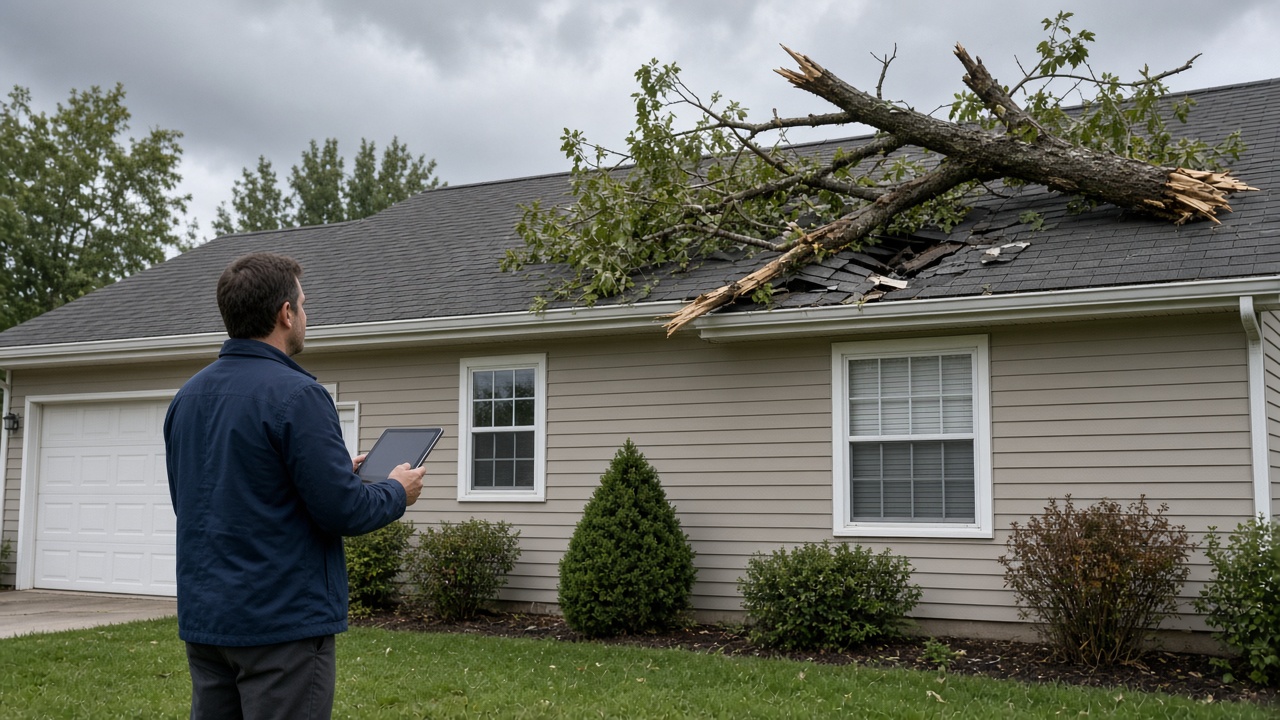
A burst pipe, a fallen tree, a break-in: when something goes wrong at home, the first hours matter. How you document damage, communicate with your insurer, and prevent further loss can affect both how much you are paid and how smoothly the process goes. This guide walks through the claim process from start to finish and explains how to think about whether a claim is worth filing at all.
This article is general information only and not legal or insurance advice. Policies differ by insurer and state, so follow the instructions in your own policy.
Step 1: Make sure everyone is safe
Before thinking about paperwork, deal with safety. If there is a fire, a gas smell, flooding near electrical outlets, or structural danger, leave the home and call emergency services. Turn off the water main for a plumbing leak and shut off electricity if water is near wiring and you can do so safely. Safety always comes first, and no claim is worth risking injury.
Step 2: Prevent further damage
Your policy requires you to take reasonable steps to protect the property from additional harm. Examples include:
- Placing a tarp over a damaged roof.
- Boarding up broken windows or doors.
- Stopping a water leak and removing standing water.
- Moving undamaged belongings away from affected areas.
Keep receipts for emergency repairs and temporary supplies. These costs are often reimbursable as part of the claim. Do not start permanent repairs until the insurer has had a chance to inspect, unless the insurer says otherwise.
Step 3: Document everything
Thorough evidence is your strongest asset. Before you clean up or move items:
- Take photos and video of every damaged area, wide shots and close-ups. Narrate the video if it helps.
- List damaged belongings with a description, age, purchase price if known, and where you bought it.
- Save damaged items when practical, since the adjuster may want to see them.
- Note dates and times of the event and the discovery of damage.
- For theft or vandalism, file a police report and keep the report number. Insurers nearly always request it.
If you created a home inventory before the loss, this is when it pays off. If you did not, you can reconstruct one from photos, receipts, bank statements, and online purchase histories.
Step 4: Review your policy
Find your declarations page and policy. Look for:
- Covered perils. Is this type of event included?
- Exclusions. Standard homeowners policies typically exclude flood and earthquake and often limit coverage for sewer backup unless an endorsement is added.
- Your deductible. Some policies use a separate, often percentage-based, deductible for wind or hail.
- Coverage limits. Special limits often apply to jewelry, cash, firearms, and electronics.
- Loss of use coverage. If the home is uninhabitable, this may pay for temporary housing and extra living costs.
- Claim reporting deadlines. Many policies require prompt notice.
Step 5: Compare the damage to your deductible
Before you call, get a rough repair estimate. If the damage is only slightly above your deductible, the claim may not be worth filing, because claims can influence your premium or renewal. This is a personal decision, and it is reasonable to ask your agent general questions about how small claims are handled before you decide. Do not delay reporting a major loss, however, and do not skip a claim if the damage is substantial.
Step 6: Report the claim
Contact your insurer or agent through the phone number or app on your policy. Be prepared to give:
- Your policy number and contact details.
- The date, time, and cause of the loss.
- A description of the damage.
- Any police or fire report numbers.
Ask for a claim number, the name of the assigned adjuster, and what happens next. Write down the date and time of each conversation. Stick to facts when describing the loss, and avoid speculating about the cause or fault.
Step 7: Work with the adjuster
An adjuster will inspect the damage, review your documentation, and estimate the cost of repairs or replacement. You can:
- Be present at the inspection and point out all damage, including less obvious areas.
- Provide your own contractor estimates. Getting two or three bids helps you compare the insurer’s estimate with real local prices.
- Ask questions about how the estimate was calculated.
- Request a copy of the estimate in writing.
Know how your policy pays
Policies pay on one of two bases. Replacement cost pays what it costs to repair or replace with similar new materials, often paying part first and the rest after work is done. Actual cash value deducts depreciation, so the check is smaller. Your declarations page and endorsements say which applies to your dwelling and personal property.
Step 8: Understand the payment
Payments may come in stages:
- An initial payment based on the adjuster’s estimate, minus your deductible.
- Additional payments, often called recoverable depreciation, once you submit proof that repairs are complete.
- Payments for living expenses if you had to leave your home.
If a mortgage lender is listed on the policy, checks for the dwelling may be issued jointly to you and the lender. The lender may hold funds in an account and release them as repairs progress. Plan for that timeline.
Step 9: Handle repairs carefully
- Choose a licensed, insured contractor, and verify credentials. You are not generally required to use the insurer’s recommended contractor.
- Get a written contract with scope, price, timeline, and payment schedule.
- Avoid paying the full amount upfront.
- Be cautious of door-to-door contractors after storms who ask you to sign over your claim or pay large deposits.
- Keep invoices and photos of the finished work.
If you disagree with the settlement
Start by asking the adjuster to explain the differences and send supporting documents such as contractor bids or photos of missed damage. If that fails:
- Request a re-inspection or supplement the claim with new information.
- Check your policy for an appraisal clause, which allows each side to hire an appraiser to resolve disputes about the amount of loss.
- Contact your state insurance department. Most accept consumer complaints and can explain your rights.
- Consider a licensed public adjuster or an attorney for large or complex losses, understanding that they charge fees.
How claims can affect your premium
Insurers share claim histories through databases, and a history of claims may influence future pricing or eligibility. The effect varies by insurer, claim type, and state. Claims involving natural disasters that affect many homes in a region are often treated differently from claims tied to individual risk, such as repeated water damage. Ask your agent how your insurer evaluates claims, and shop around at renewal.
Ways to prepare before something happens
- Create a home inventory with photos or video of each room.
- Store records in the cloud so they survive a fire.
- Review your coverage limits yearly and update them after renovations.
- Consider endorsements for sewer backup, scheduled valuables, or ordinance and law coverage.
- Maintain your home. Insurers may deny claims for damage caused by neglect or long-term leaks.
Frequently Asked Questions
How soon must I report a claim?
Policies usually require prompt notice, and some have specific deadlines, especially for storm damage. Report as soon as it is safe to do so.
Will my premium go up if I file a claim?
It might, depending on the insurer, type of claim, and state rules. Ask your agent general questions and compare quotes at renewal.
Does homeowners insurance cover flood damage?
Standard policies generally do not. Flood coverage is typically purchased separately through the National Flood Insurance Program or a private insurer.
Can I choose my own contractor?
Generally yes. The insurer can suggest one, but you usually have the right to hire a licensed contractor of your choice.
What if my belongings are worth more than the policy limit?
Special limits apply to certain categories. A scheduled personal property endorsement can raise limits for high-value items before a loss occurs.
The bottom line
A smooth claim comes from quick action, solid documentation, and clear communication. Protect the property, record the damage, read your policy, and keep notes throughout. Taking a few minutes before an emergency to build a home inventory and review your coverage can make the whole process far easier.